Ronda – the impressive one
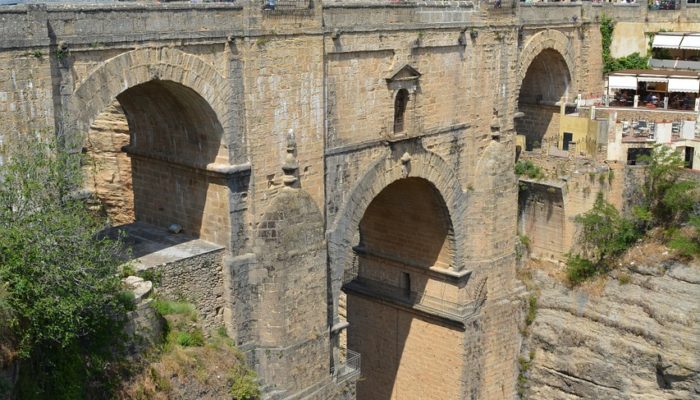
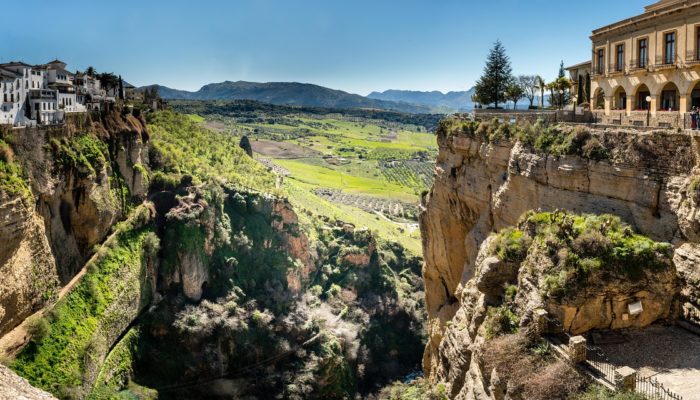
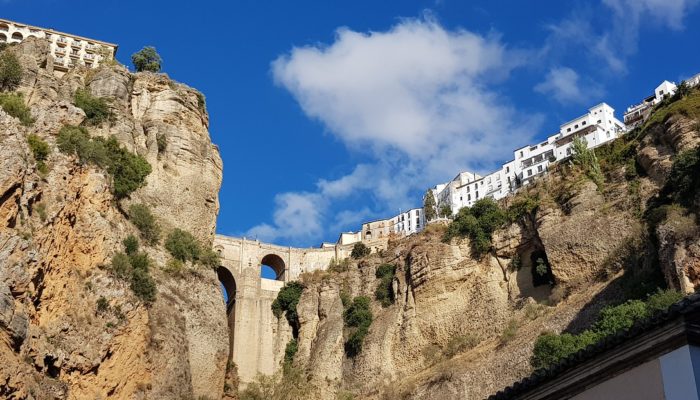
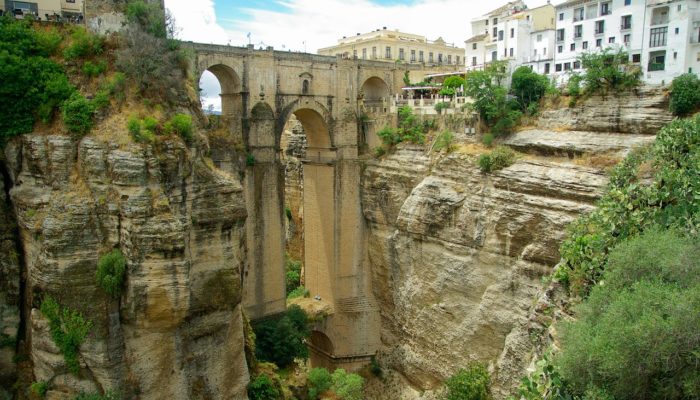
Ronda – if you visit Ronda for the first time and take a look from the Puente Nuevo (New Bridge) down into the depths of the river Tajo, you will probably first take your breath away, so impressive is this incomparable view, almost 100 metres down! The bridge was once built to connect the new part of the city with the older part.
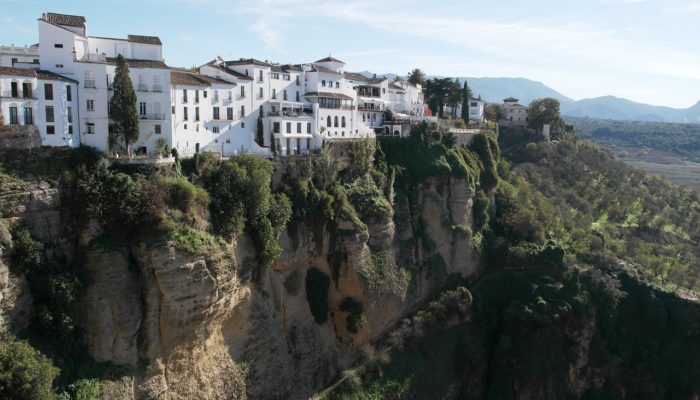
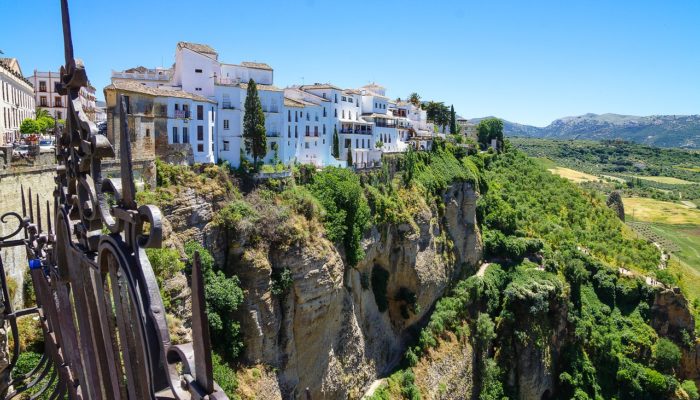
During a visit to the narrow streets of the city, you can admire the palace of the Moorish king, the El Coño bridge, the church of Santa María la Mayor, the Arab baths, the town hall and numerous beautiful gardens, and from many locations, you have a magnificent view of the vast and simply enchanting Andalusian countryside, the so-called Serranía de Ronda. In addition to the Moorish city and the Mercadillo quarter, there is a third nucleus separated by the old city wall, the San Francisco quarter. The cultural heritage of Ronda is simply a feast for the eyes, and it is advisable to visit the city at your leisure in order to really enjoy everything it has to offer in terms of buildings and unforgettable impressions.
The Arab baths of Ronda, dating from the late 13th century, are the best preserved in Spain. The Palacio de Mondragón, dating from 1314, now houses the town museum and has an exceptionally beautiful garden. The historic Moorish walls made Ronda one of the most impregnable cities in Andalusia during the Moorish rule.
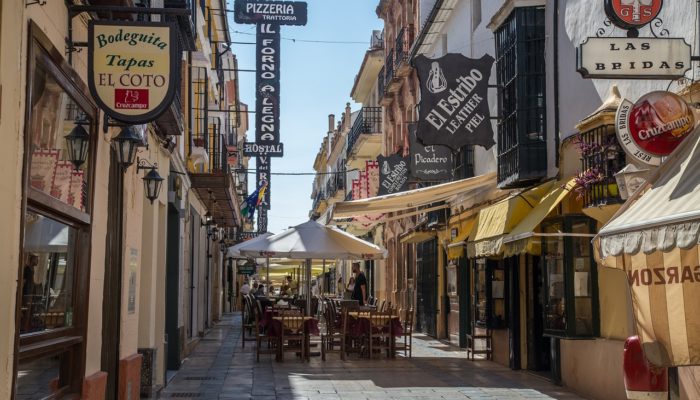
One of the most picturesque corners of the city is Plaza Duquesa de Parcent, with its many historic buildings, including the church of Santa María la Mayor. Another place not to be missed is the Plaza de Toros de Ronda, the birthplace of bullfighting in 1785, as well as the Palacio del Rey Moro, whose spectacular gardens were designed by the same architect who designed the Parque de María Luisa in Seville. Through these gardens, you reach La Mina, a staircase with 231 steps leading down to a river. For centuries, this staircase, on which slaves constantly ascended and descended, was the only source of water supply for the city. And in the small streets of the former ancient Jewish quarter, you will find numerous excellent bars and small restaurants that invite you to stay for a vino tinto, a coffee, or an Andalusian tapas delicacy.
The Ronda Municipal Museum, now home to the 16th-century Mondragón Palace, is also well worth a visit. In the so-called Nobility Hall of the palace, visitors can admire the beautiful Mudejar decoration on the ceiling. In one of the museum rooms, the caves of the Serranía de Ronda, inhabited by humans in prehistoric times, are very vividly recreated, but numerous artefacts from the Iberian, Roman and Moorish eras can also be admired here.
And in the Museo de Bandolero, weapons from all eras are on display and the visitor learns impressive stories about famous bandits from this region, such as Jose María “El Tempranillo”, Francisco Ríos “El Pernales” or Diego Corrientes. In one of the rooms, authentic costumes and uniforms of police units such as the Guardia Civil are on display, as well as their equipment and weaponry. There are numerous legends and myths surrounding the activities and deeds of the bandits in the Serranía de Ronda, which are vividly and graphically portrayed in the museum’s exhibitions.
The façade of the Casa Consistorial de Ronda, the town hall of Ronda in the Plaza de las Duquesa de Parcent is dominated by a series of beautiful stone arches, and its location in the centre of the square is very majestic and impresses the visitor. Inside, admire the magnificent staircase at the entrance with its mudéjar decorations and the large and magnificent plenary hall.
The Baños Árabes, the Arab baths of Ronda, were once built by the Arabs on the model of the traditional Roman baths. They were each equipped with three rooms, one each for warm, hot or cold water. A nearby stream supplied the baths with water, and a stove-piped hot air under the entire complex to heat the water. The peace and tranquillity of these baths and their outdoor facilities are as if made precisely for forgetting the stresses of everyday life. They are among the best-preserved examples of Moorish Spain.
Excursions around Ronda
The wonderful and extensive landscape around Ronda with its beautiful valleys, high mountains, picturesque typical white Andalusian villages and small towns, invites you to make short trips by car or by bus.
Visit the Sierra de las Nieves Nature Park, with its mountain “Pico (peak) of Torrecilla”, which has even been declared a Biosphere Reserve by UNESCO. The park is covered with Spanish fir trees, a rare species of tree that blossoms in spring and probably only grows in Andalusia and North Africa. The Gall oak, a characteristic oak tree of the region, also thrives here. And if you look up in the mountains, you will almost always see large birds of prey such as vultures or majestic eagles circling over the summit.
Our personal tip for a wonderful little tour by rental car is a visit to the beautiful and picturesque town of Zahara de la Sierra, with its incomparable flair, its unforgettable views of the Andalusian countryside, its romantic alleys, and its excellent restaurants!